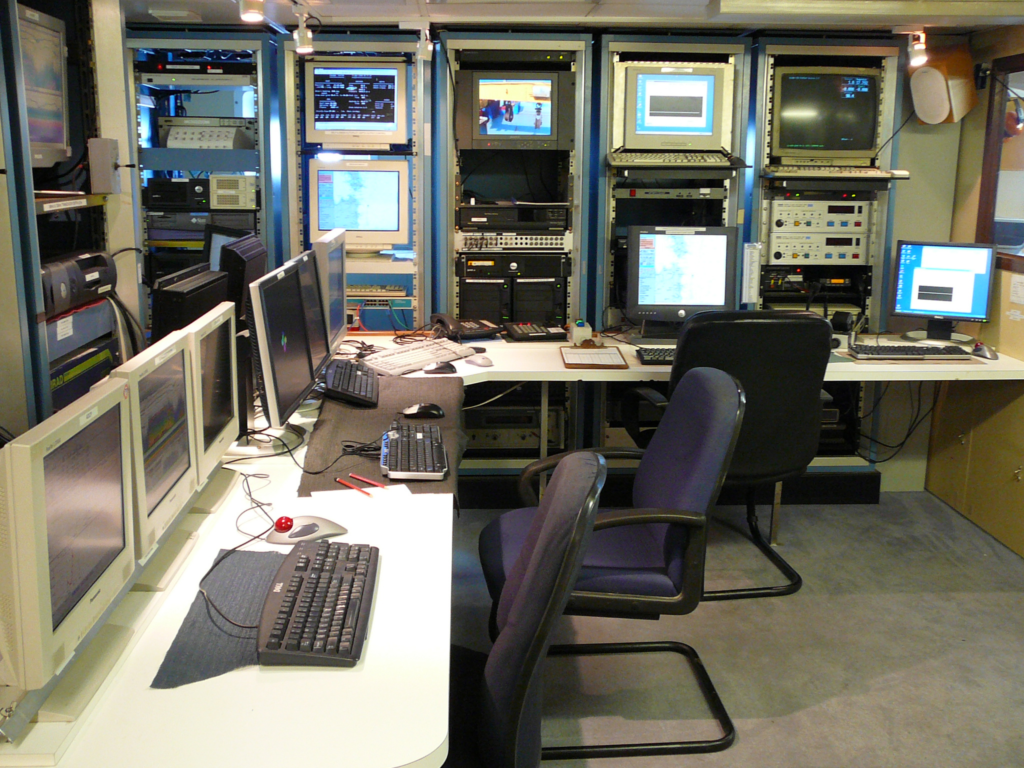
The definition of IT services goes far beyond basic technical support or fixing computers when something breaks. In today’s digital-first economy, IT services represent the structured delivery of technology expertise, infrastructure management, security, and strategic guidance that enables organizations to operate efficiently, securely, and competitively. Businesses now rely on IT services not just to maintain systems, but to drive growth, resilience, and innovation across every department.
At its core, IT services refer to the professional management, support, and optimization of information technology systems used by individuals and organizations. These systems include hardware, software, networks, cloud platforms, cybersecurity frameworks, data protection tools, and business applications. Modern IT services are designed to align technology with business goals rather than exist as isolated technical functions.
For organizations seeking clarity on how IT services impact operations, understanding the full definition requires exploring how these services evolved, how they are delivered today, and how they generate measurable business value. Companies such as Rhumbu LLC IT Services focus on translating technical complexity into operational advantage for businesses throughout Wisconsin and beyond.
The Evolution of IT Services in Business
The definition of IT services has changed dramatically over the past several decades. Early IT services were primarily reactive, focusing on break-fix support when hardware failed or software malfunctioned. As businesses became more dependent on digital systems, the role of IT expanded into proactive maintenance, network administration, and data management.
Today, IT services are deeply integrated into business strategy. They encompass managed services, cloud infrastructure, cybersecurity risk management, compliance support, and long-term technology planning. This shift reflects the reality that downtime, data breaches, and inefficient systems directly impact revenue, reputation, and customer trust.
Modern IT services providers operate as strategic partners rather than technical vendors. Organizations that invest in comprehensive IT services often see improved productivity, reduced operational risk, and stronger competitive positioning. According to insights from Gartner’s IT research, businesses that align IT services with strategic goals outperform peers that treat IT as a cost center.
What IT Services Include in a Modern Definition
When defining IT services today, it is essential to understand that they encompass the full lifecycle of technology within an organization. This includes design, deployment, management, security, optimization, and continuous improvement of IT systems.
Infrastructure management is a foundational component of IT services. This involves overseeing servers, workstations, networking equipment, and cloud platforms to ensure reliability and performance. Businesses leveraging managed IT services in Green Bay often eliminate the need for in-house technical teams while gaining access to enterprise-grade expertise.
Cybersecurity is another critical element embedded within the definition of IT services. Protecting sensitive data, preventing ransomware attacks, and ensuring regulatory compliance are now baseline expectations. The growing importance of cybersecurity is reinforced by frameworks such as the NIST Cybersecurity Framework, which guides organizations in managing cyber risk.
Industry-Specific Applications of IT Services
The practical definition of IT services varies by industry because each sector relies on technology in different ways. In healthcare, IT services support electronic health records, secure patient data, and compliance with HIPAA regulations. Downtime or data breaches in healthcare environments can lead to regulatory penalties and compromised patient care.
In legal and financial services, IT services focus heavily on data security, document management, and business continuity. Secure remote access, encrypted communications, and disaster recovery planning are essential to maintaining client trust and meeting regulatory requirements.
Manufacturing organizations rely on IT services to support production systems, supply chain platforms, and industrial automation. Technology failures in manufacturing environments can halt operations entirely, making proactive IT services critical to operational continuity.
Retail and eCommerce businesses depend on IT services to manage point-of-sale systems, inventory platforms, customer data, and online transactions. Even brief outages during peak shopping periods can result in significant revenue loss.
Education and public-sector organizations utilize IT services to manage networks, learning platforms, and data security while operating under tight budget constraints. Scalable and predictable IT services models help these organizations maintain reliability without overspending.
ROI and Business Value of IT Services
Understanding the definition of IT services also requires examining their return on investment. While IT services represent an ongoing operational expense, they often deliver measurable financial benefits that outweigh their cost.
Reduced downtime is one of the most direct ROI drivers. Businesses that experience frequent system outages often underestimate the cumulative cost of lost productivity and missed revenue. Proactive IT services significantly reduce unplanned downtime by identifying and resolving issues before they escalate.

Cybersecurity-driven ROI is another critical factor. A single ransomware incident can cost businesses tens or hundreds of thousands of dollars in recovery expenses, legal exposure, and reputational damage. Organizations leveraging professional cybersecurity services in Wisconsin dramatically reduce the likelihood and impact of such events.
IT services also improve employee productivity by ensuring systems run smoothly and securely. Employees spend less time troubleshooting technical issues and more time focused on revenue-generating activities. Over time, this productivity gain compounds into significant operational efficiency.
Cloud and Data Services Within the IT Services Definition
Cloud computing has become inseparable from the modern definition of IT services. Cloud platforms enable organizations to scale resources on demand, support remote workforces, and reduce capital expenditures on physical infrastructure.
Businesses adopting cloud technologies often rely on specialized IT services to design, migrate, and manage cloud environments securely. Providers offering cloud migration services help organizations transition legacy systems while minimizing risk and disruption.
Data backup and disaster recovery services are also integral to modern IT services. Protecting critical data and ensuring rapid recovery from outages or cyber incidents is no longer optional. Regulatory requirements and customer expectations demand robust continuity planning.
Strategic IT Services and Long-Term Planning
The definition of IT services increasingly includes strategic advisory components. Technology roadmapping, budgeting guidance, and digital transformation planning help businesses align IT investments with long-term objectives.

Organizations that treat IT services as a strategic asset rather than a reactive necessity are better positioned to adopt emerging technologies such as artificial intelligence, automation, and advanced analytics. These capabilities provide competitive advantages when implemented thoughtfully and securely.
IT consulting services play a key role in this strategic dimension. By evaluating existing systems and future goals, IT consultants help organizations avoid costly missteps and prioritize investments that deliver measurable value.
IT Services and Business Continuity
Business continuity planning is a defining component of comprehensive IT services. Natural disasters, cyber incidents, hardware failures, and human error can disrupt operations at any time. Organizations with mature IT services frameworks recover faster and with less financial impact.

Disaster recovery solutions, redundant infrastructure, and tested response plans ensure that critical systems remain available even during adverse events. Businesses that invest in continuity-focused IT services often view them as insurance against catastrophic loss.
The Future Definition of IT Services
As technology continues to evolve, the definition of IT services will expand further. Artificial intelligence, machine learning, edge computing, and automation are already reshaping how services are delivered and managed.
Future IT services will place even greater emphasis on predictive analytics, security automation, and business intelligence. Organizations that establish strong IT service foundations today will be better equipped to adapt to future technological shifts.
For businesses seeking a clear and practical understanding of IT services, the definition ultimately centers on value. IT services exist to enable growth, protect assets, enhance efficiency, and support long-term success in an increasingly digital world.
Companies working with experienced providers such as Rhumbu LLC gain not only technical expertise but strategic insight that transforms technology into a competitive advantage.