BCP Plan: The Complete Guide to Business Continuity and Disaster Preparedness
A robust BCP plan (Business Continuity Plan) is essential for businesses to survive unexpected disruptions. Whether it’s a natural disaster, cyberattack, equipment failure, or human error, companies without a well-defined continuity plan risk financial loss, reputational damage, and operational downtime. At Rhumbu LLC, we help Wisconsin businesses design, implement, and maintain comprehensive BCP plans to ensure uninterrupted operations in Green Bay, Appleton, Oshkosh, Milwaukee, Madison, and beyond.

Creating a BCP plan involves identifying critical business functions, assessing risks, and implementing strategies to mitigate potential disruptions. When paired with managed IT services, cloud backup, and disaster recovery solutions, a BCP plan ensures that your organization remains resilient even during the most unexpected events.
What is a BCP Plan?
A BCP plan is a documented strategy that outlines how a business will continue operations during a disruptive event. Unlike reactive incident response, a BCP plan is proactive, detailing contingency procedures, communication protocols, resource allocation, and recovery strategies. Its goal is to minimize downtime, protect assets, and maintain customer trust.
Business continuity planning often overlaps with disaster recovery planning (DR planning), IT compliance, and risk management. Together, these practices provide a comprehensive approach to maintaining operational stability across all business functions.
Key Components of a BCP Plan
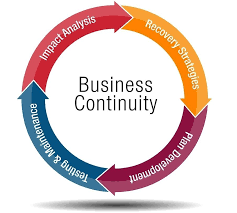
An effective BCP plan includes several critical components. First, it requires a thorough business impact analysis to identify key processes and dependencies. Next, risk assessment evaluates potential threats, such as cyberattacks, power outages, equipment failure, or extreme weather. The plan then defines recovery strategies, communication protocols, and roles and responsibilities for staff during disruptions.

Technology plays a major role in modern BCP planning. Cloud-based solutions, virtualized infrastructure, and automated failover systems are integrated into the BCP plan to maintain continuity. Services like cloud migration management and managed IT services ensure that data, applications, and communications remain operational even during site-level failures.
Why Wisconsin Businesses Need a BCP Plan
Businesses in Wisconsin face unique operational risks, from severe winter storms to regional power outages. Without a comprehensive BCP plan, these events can cause extended downtime, lost revenue, and damaged customer trust. Companies that invest in continuity planning gain a competitive advantage by demonstrating reliability, compliance, and proactive risk management.
Rhumbu LLC has extensive experience helping local businesses prepare for disruption. We integrate BCP plans with IT infrastructure services such as IT equipment setup and removal and software installation support to ensure critical systems remain operational no matter the scenario.
Steps to Develop an Effective BCP Plan
Developing a BCP plan starts with understanding your organization’s essential functions and dependencies. Conducting a business impact analysis helps prioritize resources and determine the maximum tolerable downtime for each process. Risk assessment then identifies potential threats, including IT failures, human error, natural disasters, and cyberattacks.
Next, recovery strategies are designed, which may include redundant systems, cloud backups, virtualized servers, and failover networks. Employees are trained on their roles during a disruption, and communication plans are established to keep stakeholders informed. Regular testing and updates ensure that the BCP plan remains relevant and effective.
Integrating BCP with Disaster Recovery and Cloud Solutions
A BCP plan is most effective when integrated with disaster recovery services and cloud solutions. Cloud-based backups provide secure offsite storage for critical data, ensuring rapid restoration if primary systems fail. Automated failover and virtualized infrastructure minimize downtime, while managed IT services monitor systems 24/7 to detect and resolve issues proactively.
For example, Rhumbu LLC helps businesses implement BCP plans that leverage cloud data management, redundancy across multiple locations, and continuous monitoring. This approach ensures that even in catastrophic scenarios, critical business functions remain operational.
Common Pitfalls in BCP Planning
Many businesses create BCP plans but fail to implement them effectively. Common pitfalls include outdated documentation, untested recovery procedures, insufficient employee training, and ignoring IT infrastructure dependencies. Regular audits, simulations, and updates are essential to ensure the BCP plan remains effective and actionable.

Rhumbu LLC provides ongoing support, testing, and updates for BCP plans, ensuring that Wisconsin businesses maintain compliance, readiness, and operational resilience at all times.
Benefits of a Well-Executed BCP Plan
Investing in a comprehensive BCP plan provides tangible benefits. Businesses reduce downtime and financial loss, maintain customer trust, and meet regulatory compliance requirements. A well-integrated plan also improves employee confidence, enhances operational efficiency, and strengthens organizational resilience. Combined with managed IT services, VoIP communications, and cloud solutions, BCP planning becomes a strategic advantage rather than just a safety measure.
Future-Proofing Your BCP Plan
As technology evolves, BCP plans must adapt to new threats, including ransomware attacks, supply chain disruptions, and hybrid work challenges. Incorporating modern IT infrastructure, cloud computing, and AI monitoring ensures that your BCP plan remains effective. Rhumbu LLC helps businesses stay ahead of emerging risks, integrating cutting-edge technology with tested continuity strategies to create a resilient operational environment.
Frequently Asked Questions About BCP Plan
What is a BCP plan?
A BCP plan (Business Continuity Plan) is a documented strategy that ensures critical business operations can continue during a disruptive event.
Do all businesses need a BCP plan?
Yes. Any organization that wants to maintain operations, protect revenue, and safeguard reputation during disruptions should have a BCP plan.
How often should a BCP plan be updated?
A BCP plan should be reviewed and tested at least annually or whenever there are major changes to business operations, IT systems, or personnel.
Is disaster recovery part of a BCP plan?
Yes. Disaster recovery is a component of a BCP plan, focusing specifically on restoring IT systems, data, and applications after an incident.
Can Rhumbu LLC help create a BCP plan?
Absolutely. Rhumbu LLC provides end-to-end BCP planning, integration with IT infrastructure, cloud solutions, and managed services for Wisconsin businesses.
Get Started with a BCP Plan Today
Rhumbu LLC helps businesses in Wisconsin design and implement comprehensive BCP plans that protect critical operations, minimize downtime, and ensure business continuity. Our services integrate managed IT, cloud solutions, VoIP communications, disaster recovery, and IT compliance to deliver a fully resilient infrastructure.
Contact Rhumbu LLC today to start building your BCP plan and safeguard your business against unexpected disruptions.
Risk Assessment and Business Impact Analysis
Developing a robust BCP plan begins with a detailed risk assessment and business impact analysis (BIA). The goal is to identify potential threats to operations, including natural disasters like severe storms or flooding, cybersecurity incidents such as ransomware attacks, supply chain disruptions, equipment failures, and human error. By evaluating each threat’s likelihood and potential impact, businesses can prioritize critical functions and allocate resources efficiently.

A business impact analysis provides a clear understanding of which processes are essential to maintain continuity. Rhumbu LLC helps Wisconsin businesses assess dependencies across IT systems, personnel, and operational workflows. For example, an e-commerce company in Milwaukee may find that payment processing, website uptime, and inventory management are critical, while marketing campaigns, though important, can tolerate short delays without significant business disruption. Understanding these nuances allows for a tailored BCP plan that aligns with operational priorities.
Integration of IT Infrastructure with BCP
Modern BCP plans rely heavily on IT infrastructure. Cloud-based solutions, virtualization, and managed IT services play a central role in ensuring business continuity. Rhumbu LLC integrates managed IT services with disaster recovery and cloud migration to ensure that systems, applications, and data remain available during disruptions. By combining local redundancy, cloud failover, and real-time monitoring, businesses can mitigate the impact of unexpected events on critical IT systems.
Additionally, integrating VoIP communication systems, such as those provided by Rhumbu LLC, ensures that internal and external communication channels remain functional even if physical offices are inaccessible. Employees can continue collaborating seamlessly from remote locations, preserving operational productivity.
Employee Roles, Training, and Communication in a BCP
Employees are a critical component of any BCP plan. Clearly defined roles and responsibilities ensure that everyone knows what actions to take during an incident. Rhumbu LLC advises clients to conduct regular employee training sessions that cover emergency procedures, data recovery protocols, and communication chains. This training ensures that the plan is actionable, reduces panic during disruptions, and reinforces accountability.

Communication plans are equally important. A BCP should include pre-established methods for notifying staff, customers, vendors, and stakeholders about operational status. This might involve email alerts, text messages, or automated phone systems. By maintaining transparent communication, businesses preserve customer trust and minimize reputational damage during crises.
Compliance, Regulations, and Industry Standards
A BCP plan must also consider regulatory compliance. Different industries have specific standards for data protection, operational continuity, and reporting. For example, healthcare providers must comply with HIPAA requirements for patient data, while financial institutions must adhere to SEC and FINRA standards. Rhumbu LLC helps Wisconsin businesses navigate these requirements by integrating BCP planning with IT compliance services (IT compliance for SMBs), ensuring that contingency strategies do not violate legal or industry mandates.
Compliance also extends to auditing and documentation. A well-documented BCP plan provides evidence of preparedness during regulatory inspections or post-incident reviews, demonstrating that the organization has proactively addressed operational risks.
Testing and Updating a BCP Plan
Creating a BCP plan is only effective if it is regularly tested and updated. Simulation exercises, tabletop drills, and failover testing are essential for identifying gaps in the plan. Rhumbu LLC conducts structured testing of BCP plans for Wisconsin businesses, simulating different scenarios such as server outages, cyberattacks, or office closures due to weather events. These exercises reveal weaknesses in communication protocols, IT redundancy, and operational workflows, allowing corrective action before a real disruption occurs.

Updates to the BCP plan should be performed whenever significant changes occur in the organization, such as new software deployments, office relocations, changes in key personnel, or the adoption of new business processes. Continuous improvement ensures that the plan evolves alongside the organization’s operational landscape.
Case Studies: BCP in Action
Real-world examples highlight the importance of a BCP plan. For instance, a manufacturing company in Oshkosh faced a sudden power outage that halted production. Thanks to a BCP plan integrated with cloud-based monitoring and backup systems, the company was able to continue critical operations using redundant systems and maintain communication with suppliers. Recovery was completed within hours, minimizing financial loss.
Another example involves a professional services firm in Milwaukee that suffered a ransomware attack. Their BCP plan included frequent cloud backups, automated failover, and managed IT monitoring from Rhumbu LLC. By following the predefined procedures, the firm restored data and resumed client services quickly, demonstrating the tangible benefits of proactive continuity planning.
Measuring ROI and Business Benefits of a BCP Plan
Investing in a BCP plan generates measurable benefits. Businesses that implement comprehensive continuity strategies experience reduced downtime, lower recovery costs, and greater operational resilience. Furthermore, a robust plan enhances client confidence, supports compliance requirements, and positions the company as a reliable and forward-thinking organization.
Rhumbu LLC works with businesses to quantify the ROI of their BCP investments by analyzing metrics such as recovery time, lost revenue prevented, and operational efficiency improvements. This analysis demonstrates that well-executed BCP planning is not just a safety measure but a strategic business advantage.
Future Trends in Business Continuity Planning
The landscape of BCP planning is evolving with advancements in cloud technology, AI, and predictive analytics. Future BCP plans will increasingly leverage AI-driven monitoring, predictive risk modeling, and real-time resource allocation. Edge computing and cloud virtualization will allow businesses to maintain continuity even in geographically dispersed locations. Rhumbu LLC helps Wisconsin businesses stay ahead of these trends, integrating advanced technologies into continuity planning for scalable, resilient operations.
Long-Term Strategy for BCP Integration
To maximize the effectiveness of a BCP plan, it should be fully integrated into the company’s long-term IT and operational strategy. This includes ongoing collaboration between IT, operations, human resources, and executive leadership. Continuous monitoring of threats, evolving compliance standards, and emerging technologies ensures that the BCP plan remains relevant and effective over time. Rhumbu LLC provides strategic guidance, managed services, and cloud integration support to embed BCP planning into the core operations of your business.
Extended FAQs About BCP Plan
What is the difference between a BCP plan and disaster recovery plan?
A BCP plan addresses overall business continuity, covering processes, people, and communication, whereas a disaster recovery plan focuses specifically on IT systems and data recovery.
How does cloud technology enhance BCP plans?
Cloud technology allows for redundant storage, virtualized infrastructure, and rapid failover capabilities, ensuring critical systems remain operational even during on-premises failures.
Who should be responsible for implementing a BCP plan?
Implementation requires coordination across IT teams, management, and employees. Managed service providers like Rhumbu LLC assist with strategy, deployment, and monitoring to ensure effectiveness.
How can businesses test their BCP plans?
Testing can include simulations, drills, tabletop exercises, and failover tests. These activities reveal gaps and allow for iterative improvements to the plan.
How often should a BCP plan be updated?
BCP plans should be reviewed at least annually or whenever major operational, technological, or personnel changes occur to ensure relevance and effectiveness.
Take Action Today: Build Your BCP Plan
Rhumbu LLC provides comprehensive BCP planning services tailored to Wisconsin businesses. By integrating managed IT, cloud solutions, VoIP communications, disaster recovery, and IT compliance, we ensure your operations remain resilient during any disruption. A strong BCP plan is no longer optional—it is essential for business survival and growth.
Contact Rhumbu LLC today to start building a fully resilient BCP plan and protect your business against unexpected events.