
Backup and Recovery: Protecting Your Milwaukee Business Data
Business data includes financial records, client information, daily workflows, and intellectual property. Losing access to that information can interrupt operations and damage customer trust. A tested backup and recovery plan helps businesses restore critical data after events such as hardware failure, ransomware, or a natural disaster.
Milwaukee businesses have different data-protection needs depending on their size, industry, and systems. A practical plan should account for recovery time, secure backup copies, and the ability to resume essential work. Managed IT services in Milwaukee can help organizations align backup strategies with their operational needs.
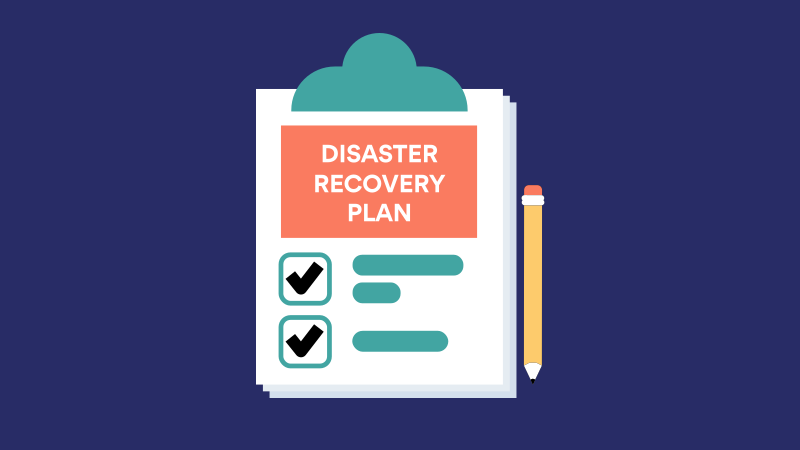
Backup and recovery planning starts with understanding the types of data your business relies on, the systems storing that data, and the risks of downtime or data loss. Milwaukee companies leveraging professional IT support often integrate cloud solutions, on-premise servers, and hybrid systems to ensure redundancy and resilience. Services like
cloud migration management and
data backup and disaster recovery are critical for ensuring that data remains secure, accessible, and compliant with industry regulations.
Why Backup and Recovery Matters
Data loss can occur for a variety of reasons: hardware failure, software corruption, human error, malware, or even natural disasters. Without a proper backup and recovery plan, Milwaukee businesses risk significant operational downtime, lost revenue, and reputational damage. In some industries, such as healthcare or finance, data loss can also result in compliance violations and hefty penalties.
A major data loss can force a business to pause operations, miss deadlines, and spend unplanned time rebuilding systems. The impact depends on the data affected, the length of the outage, and how quickly reliable backups can be restored.

Managed services providers in Wisconsin, such as those offering managed IT services, help businesses implement redundant systems, automate backups, and design recovery workflows. This ensures that in the event of an incident, data can be restored quickly and operations continue with minimal disruption.
Key Risks That Make Backup and Recovery Critical
Several risks make a backup and recovery strategy indispensable for Milwaukee businesses:
– Hardware failure: Hard drives and servers fail unexpectedly, potentially resulting in permanent data loss if no backups exist.
– Human error: Employees can accidentally delete critical files or misconfigure systems.
– Cyberattacks: Ransomware, phishing, and other attacks target company data daily. Without offsite backups, businesses may face data ransom or permanent loss.
– Natural disasters: Floods, storms, and fires can damage physical infrastructure, making local data inaccessible.
– Compliance violations: Certain industries require data retention for regulatory reasons; failing to maintain secure backups can result in fines.
Milwaukee organizations that proactively implement backup and recovery systems reduce the likelihood of business disruption, protect sensitive client information, and maintain compliance with industry standards. Providers offering solutions like
software installation IT support and IT equipment setup and removal integrate these processes seamlessly into daily operations.

How Backup and Recovery Supports Business Continuity
Business continuity depends on the ability to quickly recover from unexpected incidents. Backup and recovery are core components of a business continuity strategy. By maintaining multiple backup copies—onsite, offsite, and in the cloud—companies can restore critical systems and minimize downtime. This ensures uninterrupted service to clients, reduces financial loss, and maintains operational stability.
Managed IT service providers implement automated backup schedules, encrypted storage, and replication strategies to meet both technical and regulatory requirements. Services such as data backup and disaster recovery services provide Milwaukee businesses with peace of mind, knowing that even in catastrophic scenarios, critical data remains secure and retrievable.
Local Milwaukee and Wisconsin Context
Wisconsin businesses face unique operational environments—ranging from seasonal weather challenges to high-density urban operations. For Milwaukee-based organizations, downtime caused by hardware failure, cyberattacks, or natural disasters can have amplified consequences due to tight deadlines, regulatory requirements, and customer expectations.
Companies in the region increasingly leverage local managed services providers to ensure their backup and recovery strategies are robust, compliant, and tailored to business needs. Case studies from services like computer repair services Green Bay and
managed IT services Green Bay show how organizations integrate backup systems with broader IT infrastructure for enhanced reliability.
In addition to technical implementation, education is critical. Employees must understand how backup systems work, how to access recovery tools, and which procedures to follow during a disruption. Providers such as how to define IT services guide offer frameworks to educate staff while maintaining operational efficiency.
Understanding Different Types of Backup
Businesses need to choose the right type of backup to balance speed, cost, and reliability. Milwaukee organizations often employ multiple strategies to ensure resilience. Common backup types include:
– Full Backup: A complete copy of all data. While comprehensive, full backups can take longer and require more storage. Managed IT services, such as managed IT services Milwaukee, help automate full backups on schedules that minimize operational disruption.
– Incremental Backup: Only data that has changed since the last backup is copied. This reduces storage and processing time while maintaining up-to-date records. Companies integrating cloud solutions often pair incremental backups with automated monitoring for rapid recovery.
– Differential Backup: Captures changes since the last full backup. While faster than full backups, it requires more storage than incremental backups. Many Milwaukee businesses leverage hybrid solutions combining on-premise and cloud storage to balance performance and redundancy.
– Cloud Backup: Data is stored securely in remote data centers, providing protection against local disasters and hardware failures. Cloud backups are particularly beneficial for businesses operating across multiple Milwaukee locations. Services like cloud migration management and data backup and disaster recovery ensure that cloud systems are secure, accessible, and compliant.
– Hybrid Backup: Combines local storage and cloud solutions for enhanced redundancy. Hybrid approaches allow for rapid local recovery and long-term remote storage, offering the best of both worlds.
Planning Your Recovery Strategy
Backup alone is insufficient without a clear recovery strategy. Milwaukee businesses must define recovery goals, including:
– Recovery Point Objective (RPO): Maximum acceptable data loss measured in time. For instance, an RPO of one hour means the business can tolerate losing no more than one hour of data. Managed IT services help determine realistic RPO targets and implement systems that meet them.
– Recovery Time Objective (RTO): Maximum acceptable downtime. An RTO of four hours means the business aims to restore operations within that time frame. Providers ensure that backup systems, replication, and automation support these objectives.
Well-defined RPO and RTO metrics guide the selection of backup types, storage locations, and monitoring solutions. Milwaukee organizations often conduct risk assessments to determine critical systems and prioritize their recovery.

software installation IT support and IT equipment setup and removal integrate seamlessly with backup and recovery plans to ensure minimal operational disruption during testing or incidents.
Cloud and Hybrid Backup Strategies
Cloud and hybrid solutions provide flexibility and security for modern businesses. Cloud storage ensures offsite protection, while hybrid setups enable local fast restores. For Milwaukee companies, these approaches help address both regulatory compliance and disaster preparedness.
For example, law firms handling confidential client data might utilize encrypted cloud backups combined with local storage for immediate access. Meanwhile, manufacturing companies may replicate critical production data across local servers and cloud instances to protect against equipment failure.
Managed services providers ensure that cloud and hybrid solutions are properly configured, monitored, and maintained. Solutions such as
cloud migration management and
data backup and disaster recovery provide centralized control, automated alerts, and audit-ready reporting, reducing risk and improving efficiency.
Addressing Common Data Loss Scenarios
Businesses face a variety of scenarios where backup and recovery is critical. Milwaukee companies must prepare for:
– Ransomware attacks: Cybercriminals encrypt files and demand payment. Robust backups ensure organizations can restore systems without succumbing to ransom demands.
– Hardware failure: Hard drives, servers, and networking equipment can fail without warning. Redundant backups minimize downtime and data loss.
– Human error: Accidental deletion or misconfiguration can result in significant losses. Automated and versioned backups protect against mistakes.
– Natural disasters: Floods, fires, and storms can destroy physical infrastructure. Cloud backups and offsite replication are essential for recovery in such events.
Partnering with local IT providers ensures that Milwaukee businesses have tailored strategies. For example, Rhumbu LLC integrates backup planning with
managed IT services Milwaukee and
IT services Milwaukee for fully managed recovery processes.
Compliance and Data Retention Requirements
Many industries require strict data retention policies. Healthcare, finance, legal, and government contractors must maintain secure copies of records for years. Backup and recovery solutions must comply with these regulations to avoid penalties.
Managed services providers assist Milwaukee organizations by implementing retention policies, encrypted storage, and audit-ready backups. Services such as data backup and disaster recovery services provide automated compliance reporting and secure offsite replication.
Integrating these solutions with employee training, system monitoring, and IT support ensures businesses are prepared not only for disasters but also for audits and compliance reviews.
Designing Effective Recovery Strategies
While backups secure your data, recovery strategies define how quickly and efficiently you can restore it. Milwaukee businesses must carefully design recovery plans to ensure minimal downtime and business continuity. Recovery strategies often include multiple layers of redundancy, automated processes, and predefined protocols.
Managed IT services providers play a crucial role in orchestrating these strategies. Services such as
managed IT services Milwaukee and software installation and support help organizations implement recovery workflows, monitor systems continuously, and validate the effectiveness of backups through regular testing.
RPO and RTO Planning: Defining Recovery Objectives
Two critical metrics guide recovery strategies: Recovery Point Objective (RPO) and Recovery Time Objective (RTO). RPO defines the maximum acceptable amount of data loss, while RTO specifies the maximum allowable downtime before operations resume.
For example, a Milwaukee-based law firm handling sensitive client documents may require an RPO of 15 minutes and an RTO of one hour. Achieving this requires near-real-time backups, redundant systems, and automated failover mechanisms. Providers such as
cloud migration management services implement these solutions while ensuring compliance with industry standards.
Conversely, a small local retailer may tolerate a longer RPO and RTO, but still needs a reliable system to prevent significant revenue loss. Customized solutions from providers like
IT services Milwaukee ensure alignment between recovery objectives, budget, and business impact.
Role of Managed Services in Recovery Readiness
Managed services providers offer continuous monitoring, automated backups, and system alerts to detect anomalies before they escalate into full-blown incidents. By partnering with providers such as data backup and disaster recovery services, Milwaukee businesses gain access to:
– Automated backup scheduling across on-premise and cloud environments
– Redundant storage solutions for high availability
– Continuous monitoring and alerting for potential failures
– Documentation and reporting for compliance audits
This proactive approach ensures that backup and recovery are not reactive measures, but integral components of daily IT operations.
Case Studies: Milwaukee Business Recovery Examples
Several Milwaukee organizations have successfully implemented comprehensive backup and recovery strategies with managed services support:
1. A regional accounting firm experienced a ransomware attack that encrypted local servers. With cloud backups and automated recovery workflows, they restored all client files within 90 minutes, minimizing downtime and avoiding regulatory penalties. Services like
managed IT services Milwaukee and software installation IT support were instrumental in this rapid recovery.
2. A local manufacturer suffered a hardware failure that affected production data. By implementing a hybrid backup system with on-site and cloud storage, recovery was completed in under two hours, avoiding significant operational delays. Integration with
IT equipment setup and removal services ensured minimal disruption.
3. A healthcare provider leveraged managed services to automate daily incremental backups and replicate critical systems to secure cloud storage. When a server outage occurred, systems were restored seamlessly, and patient records remained fully accessible. Providers like
cloud migration management services facilitated compliance with HIPAA regulations while improving recovery readiness.
Ensuring Compliance Through Backup and Recovery
Regulatory compliance is a crucial aspect of backup and recovery. Industries such as healthcare, finance, and government contracting require secure storage, data encryption, and verifiable recovery processes. Managed services providers ensure that all backup solutions meet these regulatory requirements while maintaining operational efficiency.
data backup and disaster recovery and
cloud migration management provide audit-ready reports, detailed logs, and verification of backup integrity. This reduces risk during compliance audits and ensures that Milwaukee businesses maintain industry-standard security practices.
Training and Process Integration
Technology alone cannot guarantee recovery success. Employees must understand recovery procedures, backup schedules, and system protocols. Providers often implement training programs alongside automated IT solutions, ensuring that staff can respond effectively during disruptions.
By integrating training with managed services, Milwaukee businesses ensure that human error does not compromise backup systems. References such as how to define IT services for modern businesses help guide operational integration and best practices.
Best Practices for Backup and Recovery
Implementing a backup and recovery plan is only the first step. Milwaukee businesses should follow best practices to ensure their systems are effective, secure, and reliable. Key practices include:
– Regularly testing backup and recovery processes to identify gaps or failures. Services like software installation and support provide automated testing tools that ensure your backups are restorable when needed.
– Using encryption for both in-transit and at-rest data. Managed services providers assist in implementing industry-standard encryption protocols, reducing the risk of data breaches.
– Implementing offsite or cloud replication alongside on-premise backups. This hybrid approach, facilitated by cloud migration management services, ensures data accessibility even if local infrastructure is compromised.
– Maintaining versioning and retention policies to protect against accidental deletions or ransomware attacks. Tools integrated by managed IT service providers ensure historic data is recoverable, supporting regulatory compliance.
Proactive Disaster Planning
Backup and recovery are inseparable from disaster planning. Milwaukee businesses should evaluate potential risks, identify critical assets, and define recovery workflows. Managed services providers create tailored disaster recovery plans that align with RPO and RTO objectives, ensuring minimal business disruption.
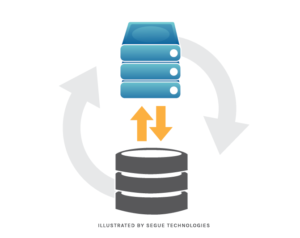
Continuous Improvement and Monitoring
Backup and recovery processes are not static. As technology evolves and threats emerge, Milwaukee businesses must continuously evaluate and enhance their strategies. Providers offer monitoring dashboards, automated reporting, and predictive analytics to detect risks before they impact operations.
Services such as
data backup and disaster recovery services ensure that businesses can adapt quickly, maintain compliance, and minimize downtime while keeping costs manageable.
Call to Action: Strengthen Your Backup and Recovery Today
Every Milwaukee business faces the risk of data loss. Investing in a comprehensive backup and recovery strategy, supported by expert managed IT services, is the most effective way to safeguard operations, comply with regulations, and maintain client trust.
Rhumbu LLC provides full-service backup and recovery solutions, including cloud migration, hybrid storage, endpoint protection, and disaster recovery planning. By partnering with us, businesses gain peace of mind knowing their data is secure and always recoverable.
Learn more about our services and schedule a consultation:
IT services Milwaukee |
Managed IT Services Milwaukee |
Data Backup & Disaster Recovery
A well-planned backup and recovery strategy not only protects your business today but also ensures long-term operational resilience and competitive advantage in the Milwaukee market.
Frequently Asked Questions (FAQ)
What is the difference between backup and recovery?
Backup is the process of creating copies of your data, while recovery is the process of restoring data from those backups after a loss or incident.
How often should backups be performed?
Backup frequency depends on your business needs and RPO requirements. Many Milwaukee businesses use automated daily or hourly backups combined with incremental updates.
What types of backup are most effective?
Full, incremental, differential, cloud, and hybrid backups are all effective when properly implemented. The right combination depends on business size, data criticality, and budget.
How can managed IT services help with backup and recovery?
Managed IT services automate backup scheduling, ensure redundancy, monitor systems continuously, and provide recovery support to reduce downtime and protect business data.