

Meaning of IT Services: A Clear Explanation for Modern Businesses
The meaning of IT services goes far beyond basic technical support. In today’s digital economy, IT services represent the systems, processes, expertise, and ongoing management that enable organizations to operate efficiently, securely, and competitively. Businesses rely on IT services to support daily operations, protect critical data, and adapt to changing technology demands.

Understanding the meaning of IT services helps organizations make informed decisions about technology investments and long-term strategy. Whether delivered internally or through an external provider, IT services form the backbone of modern business infrastructure.
What IT Services Actually Include
IT services encompass the planning, deployment, management, and optimization of technology environments. This includes maintaining networks, servers, cloud platforms, endpoints, and applications that employees depend on every day. IT services also address performance monitoring, system updates, troubleshooting, and lifecycle management.
Organizations that rely on fragmented or reactive technology support often experience inefficiencies. Businesses that align IT services with operational goals benefit from stability, scalability, and predictable outcomes.
For a broader perspective on how these functions work together, businesses often explore how comprehensive IT services are structured within modern organizations.
The Role of IT Services in Business Continuity
One of the most important aspects of IT services is ensuring business continuity. Technology failures, cyber incidents, and natural disruptions can halt operations if systems are not properly protected and recoverable. IT services include planning for these scenarios through redundancy, monitoring, and recovery strategies.
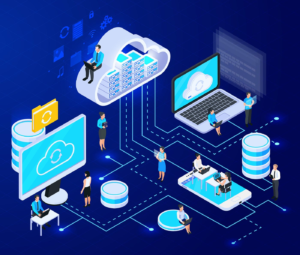
Organizations that integrate continuity planning into their IT services reduce downtime and minimize operational risk. This proactive approach is especially important for industries that rely on constant system availability.
Guidance from organizations such as the Cybersecurity and Infrastructure Security Agency highlights how structured IT services support resilience and continuity planning.
IT Services and Cybersecurity Responsibilities
Security is a foundational element of IT services. Modern environments face constant threats ranging from phishing attacks to ransomware and data breaches. IT services address these risks by implementing security controls, monitoring activity, and responding to incidents.
Security-focused IT services also include identity management, access controls, patch management, and employee awareness initiatives. Without these safeguards, organizations expose themselves to avoidable risks.
Businesses seeking deeper protection often align IT services with dedicated security programs, such as those outlined by the NIST Cybersecurity Framework.
Cloud Computing as a Core IT Service
Cloud computing has redefined the meaning of IT services. Instead of managing all infrastructure on-site, organizations increasingly rely on cloud platforms for scalability, flexibility, and cost efficiency. IT services now include cloud provisioning, optimization, governance, and cost management.
Effective cloud IT services ensure that cloud environments are secure, compliant, and aligned with business needs rather than operating as disconnected resources.
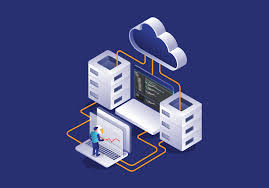
Businesses exploring cloud adoption often pair cloud initiatives with local cloud services expertise to ensure proper design and management.
Managed IT Services Versus Traditional Support
The meaning of IT services has shifted from reactive support to proactive management. Traditional support models focus on fixing issues after they occur. Managed IT services focus on preventing issues through continuous monitoring, maintenance, and strategic planning.
Organizations using managed models experience fewer disruptions and gain clearer visibility into their technology environment. This approach allows leadership to focus on growth rather than troubleshooting.
Many organizations adopt managed models through providers offering ongoing IT service management aligned with business objectives.
IT Services and Digital Transformation
Digital transformation initiatives rely heavily on IT services. Modernizing applications, adopting automation, and enabling remote work all depend on structured technology services. IT services guide organizations through change while maintaining operational stability.
Without strong IT services, transformation efforts often stall due to technical debt, security concerns, or scalability limitations.
Academic research from institutions such as MIT’s digital transformation studies emphasizes the importance of structured IT services in successful modernization efforts.
Why Understanding IT Services Matters for Leadership
Executives and business owners benefit from understanding the meaning of IT services because technology decisions directly impact cost, risk, and performance. Clear understanding enables better budgeting, vendor selection, and long-term planning.
Organizations that treat IT services as a strategic function rather than an operational expense are better positioned to adapt to market changes and technological innovation.
The Future of IT Services
The meaning of IT services continues to evolve as automation, artificial intelligence, and cloud-native technologies reshape business operations. IT services increasingly focus on orchestration, optimization, and data-driven decision-making.

As environments become more complex, the value of well-structured IT services increases. Organizations that invest in mature IT service models gain resilience, agility, and competitive advantage.
Understanding the meaning of IT services is the first step toward building a technology foundation that supports long-term success.
IT Services as an Operational Framework, Not a Technical Expense
For leadership teams, the meaning of IT services extends far beyond technology maintenance. IT services function as an operational framework that supports revenue generation, risk management, compliance, and workforce productivity. When technology services are aligned with business objectives, they enable organizations to scale efficiently, enter new markets, and adapt to economic or regulatory changes.
Organizations that view IT services solely as a cost center often underinvest in planning and governance, leading to technical debt and operational fragility. In contrast, businesses that integrate IT services into strategic planning treat technology as a lever for growth rather than a reactive support function.
Financial Implications of IT Services for Business Leaders
Understanding the meaning of IT services is critical for financial planning. Technology decisions influence capital expenditure, operating costs, and long-term return on investment. Poorly structured IT services lead to unpredictable expenses caused by outages, emergency repairs, security incidents, and compliance failures.

Well-managed IT services introduce cost predictability through lifecycle planning, capacity forecasting, and proactive maintenance. This financial discipline allows leadership to allocate resources more effectively and avoid sudden disruptions that impact cash flow.
Organizations seeking predictable cost models often transition to structured service approaches such as managed IT services, which align technology spending with measurable outcomes.
Risk Management and IT Services
Risk management is one of the most overlooked aspects of IT services. Every organization faces operational risks tied to data loss, system outages, cyber threats, and vendor dependencies. IT services reduce these risks through redundancy, security controls, monitoring, and tested recovery procedures.
Government guidance from the U.S. Department of Homeland Security emphasizes that technology resilience is a critical component of organizational risk planning. IT services operationalize these principles by embedding resilience directly into daily operations.
IT Services and Workforce Enablement
Modern workforces depend on reliable technology to collaborate, communicate, and deliver results. IT services ensure that employees have consistent access to tools, applications, and systems regardless of location. This includes endpoint management, cloud access, and performance optimization.

Organizations that invest in workforce-focused IT services experience higher productivity, lower employee frustration, and improved retention. Technology friction directly impacts morale, making IT services a human capital consideration as much as a technical one.
Governance and Compliance Through IT Services
Regulatory and compliance requirements continue to expand across industries. IT services support governance by enforcing access controls, maintaining audit trails, and ensuring data handling practices meet regulatory standards. Without structured IT services, compliance becomes reactive and error-prone.
Frameworks such as those outlined by ISO/IEC 27001 demonstrate how IT services contribute to structured governance and accountability.
IT Services as a Foundation for Innovation
Innovation depends on stability. Organizations cannot adopt advanced analytics, automation, or artificial intelligence without reliable foundational services. IT services create the environment in which innovation can occur safely and sustainably.
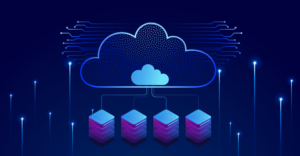
When infrastructure, security, and support are standardized, leadership can pursue new initiatives without fear of destabilizing core operations. This balance between innovation and control is one of the defining characteristics of mature IT service models.
The Long-Term Value of Strategic IT Services
The true meaning of IT services emerges over time. Organizations that invest consistently in service maturity experience fewer disruptions, faster recovery from incidents, and improved strategic agility. IT services become an enabler of long-term resilience rather than a short-term fix.
For leadership teams, understanding IT services is not about mastering technical detail but about recognizing how technology underpins every operational outcome.