

Data Backup Solutions for Businesses | Secure & Scalable Protection
Data Backup: Protecting Your Business, Ensuring Continuity
Data is the lifeblood of modern businesses. From customer records and financial information to proprietary designs and operational analytics, every byte matters. Yet, many organizations underestimate the critical importance of a robust data backup strategy. Whether you’re a small business in Green Bay or a large enterprise operating nationally, a comprehensive data backup plan safeguards your operations, prevents downtime, and ensures regulatory compliance.

Data loss can occur due to hardware failure, accidental deletion, ransomware attacks, natural disasters, or network outages. Without proper backups, businesses risk financial loss, reputational damage, and operational disruption. Implementing a proven, secure, and scalable backup strategy is not optional—it’s essential for continuity, resilience, and growth.
The Importance of a Strategic Data Backup Plan
A well-designed data backup strategy accomplishes more than simply copying files. It ensures recoverability, aligns with IT infrastructure, and integrates with business continuity plans. Key objectives include:
- Protection against accidental deletions, hardware failures, and cyberattacks
- Ensuring rapid recovery to minimize downtime
- Compliance with industry regulations such as HIPAA, PCI DSS, and GDPR
- Support for remote workforces and cloud-integrated operations
For example, a financial advisory firm leveraging cloud-integrated backup solutions combined with managed IT services achieved near-zero downtime during an unexpected ransomware attack, preserving client trust and operational continuity. Our managed IT services near me provide 24/7 monitoring to ensure backup integrity.
Key Elements of a Modern Data Backup System
Modern backup systems must be reliable, automated, and integrated across IT infrastructure:
Automated Cloud Backup: Cloud solutions provide offsite storage, ensuring that critical data is safe even if local servers fail. Learn about scalable cloud options in our cloud migration management services.
On-Premises Backup: Local backups provide faster recovery times for large files or databases. Combining on-premises and cloud backup in a hybrid model ensures redundancy and resilience.
Versioning & Incremental Backup: Maintaining multiple versions of files allows businesses to restore data from specific points in time, mitigating the risk of accidental deletion or corruption.
Data Encryption & Security: Backups must be encrypted both at rest and in transit to protect sensitive information from unauthorized access. Integration with cybersecurity protocols ensures compliance with regulations. Check our IT compliance services for secure implementation.
Regular Testing & Validation: Backups are only useful if they can be successfully restored. Routine testing ensures recoverability and validates the integrity of backup data. Our disaster recovery planning includes automated verification of backups to reduce risk.
Integrating Data Backup with IT Infrastructure
Data backup must integrate seamlessly with IT systems to avoid disruptions. Key integrations include:
Managed IT Services: Outsourced expertise monitors, manages, and automates backups, ensuring reliability across cloud and on-premises environments. Learn more at managed IT services near me.
Cloud Storage Solutions: Platforms such as AWS, Azure, or Google Cloud provide scalable, secure, and geographically redundant storage for critical business data. Combining cloud and hybrid solutions ensures optimal availability and security.
SD-WAN & Network Reliability: For multi-location organizations, SD-WAN ensures fast and reliable data transfer to offsite backups, minimizing downtime and ensuring consistent access across offices and remote teams.
Workflow Integration: Backup processes should integrate with business workflows, automating data capture from ERP, CRM, and productivity platforms. Our software installation and IT support ensures seamless implementation.
Disaster Recovery & Business Continuity
Data backup is not a standalone solution; it’s part of a broader disaster recovery and business continuity strategy. Redundant systems, cloud replication, and automated failover ensure that businesses can continue operations even during unexpected events. With a comprehensive plan, organizations can reduce downtime, maintain customer confidence, and comply with regulatory requirements.

Case studies illustrate the effectiveness of integrated backup and disaster recovery solutions. A healthcare provider in Milwaukee implemented hybrid backups combined with managed IT monitoring and cloud replication, ensuring uninterrupted access to patient data during a system outage. Visit our Green Bay IT case studies for real-world examples.
Best Practices for Data Backup Implementation
When designing a data backup system, consider the following best practices:
- Establish clear backup policies and schedules
- Use a combination of cloud and local backups
- Encrypt data at rest and in transit
- Perform routine backup verification tests
- Integrate backup systems with managed IT services and workflow tools
- Maintain versioning and point-in-time recovery
- Ensure regulatory compliance
- Monitor backup processes continuously using AI-assisted tools
- Document all backup procedures for audits and training
- Plan for scalability as data volumes grow
Data backup is more than a safety net; it is a strategic component of business operations and IT infrastructure. By implementing automated, secure, and tested backup systems, businesses protect critical data, ensure continuity, and reduce operational risks. Partnering with experienced managed IT service providers like Rhumbu LLC guarantees that your data backup strategy is reliable, scalable, and aligned with your overall business objectives. Contact us today to safeguard your business with a robust backup solution.
Data Backup: Ensuring Business Continuity, Security, and Growth
Data is the backbone of modern businesses, encompassing everything from client records and financial information to operational analytics and intellectual property. Losing critical data can cripple operations, damage customer trust, and expose organizations to regulatory fines. For businesses of all sizes—from small companies in Green Bay to enterprises operating in multiple states—a comprehensive data backup strategy is no longer optional. It is a foundational element of business continuity, operational resilience, and strategic growth.
Many organizations underestimate the complexity of effective data protection. Accidental deletions, hardware failures, ransomware attacks, natural disasters, and human error are constant threats to operational stability. Without reliable backup systems, businesses face prolonged downtime, lost revenue, and reputational damage. Implementing a robust, automated, and scalable backup strategy safeguards not only your data but also your company’s future.
The Strategic Importance of Data Backup
A strategic data backup plan is far more than copying files onto a separate drive or cloud account. It is a system designed to ensure that your business can recover swiftly from unexpected disruptions. This includes integrating backup processes into IT infrastructure, aligning with compliance requirements, and enabling rapid recovery of operations. By establishing clear objectives and selecting the appropriate technology, organizations can mitigate risks, maintain continuity, and protect stakeholder confidence.
For example, a financial advisory firm that implemented a hybrid cloud backup solution along with managed IT services was able to continue operations without interruption during a ransomware attack. This approach combined encrypted offsite storage with on-premises backup servers, allowing the organization to recover critical data almost instantly while maintaining client trust. Businesses can explore similar strategies through Rhumbu LLC’s managed IT services near me, which provide continuous monitoring and automation for backup systems.
Understanding Different Backup Strategies
Modern businesses rely on several types of backup strategies, each serving specific operational and risk management needs. Full backups replicate all files and databases, providing a complete snapshot of the system at a specific point in time, while differential backups capture only the changes made since the last full backup, reducing storage needs and accelerating recovery time. Incremental backups, on the other hand, save changes made since the last backup of any type, offering a more efficient storage footprint but requiring careful orchestration to ensure complete restorations.
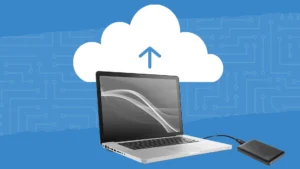
Advanced approaches, such as continuous data protection (CDP), allow businesses to maintain real-time backups of critical files and databases. This approach is particularly valuable for financial institutions, healthcare providers, and SaaS companies where even brief data loss can have substantial consequences. Snapshot-based backups for virtualized environments provide an additional layer of protection, enabling rapid rollbacks of virtual machines to a known good state. Versioned backups are essential in defending against ransomware, allowing businesses to restore systems to points before malicious encryption occurred.
Integrating Backup with IT Infrastructure
Data backup is most effective when seamlessly integrated into IT infrastructure. Cloud-based solutions offer offsite redundancy, allowing organizations to maintain business continuity even if local hardware fails. On-premises backups remain valuable for rapid access to large datasets or applications that require low-latency recovery. Hybrid solutions combine the benefits of both, providing a resilient and scalable approach. Rhumbu LLC’s cloud migration management services demonstrate how cloud and local infrastructure can work together to optimize backup reliability and performance.
Reliable networking is essential for multi-site organizations. Software-defined WAN (SD-WAN) optimizes connectivity between office locations, remote teams, and cloud storage platforms, ensuring that backup data is transmitted securely and efficiently. Workflow integration also plays a crucial role, allowing backups to occur automatically without disrupting day-to-day operations. By embedding backup processes into core IT workflows, companies reduce human error, improve efficiency, and maintain a continuous layer of protection for critical information. Organizations can implement these solutions effectively with Rhumbu LLC’s software installation and IT support services.
Cybersecurity, Compliance, and Data Protection
Protecting backup data from unauthorized access is a fundamental requirement. Encryption at rest and in transit ensures that sensitive information remains confidential, even if storage media is compromised. Compliance requirements, such as HIPAA for healthcare, PCI DSS for payment processing, and GDPR for European operations, mandate rigorous controls over data retention, access, and recovery. Automated compliance reporting allows businesses to meet regulatory standards without manual effort, reducing risk while providing an audit-ready framework. Rhumbu LLC’s IT compliance services integrate these controls into backup systems to maintain security and regulatory alignment.
Ransomware attacks continue to evolve, making regular backups a critical component of cybersecurity strategy. By maintaining multiple versions of critical data and leveraging hybrid backups, organizations can restore operations without paying ransom or losing historical information. AI-assisted monitoring enhances security by detecting anomalies in backup processes, predicting potential failures, and initiating automatic remediation, further reducing downtime risk.
Business Continuity and Disaster Recovery
Data backup is a core element of broader disaster recovery and business continuity planning. Redundant storage systems, offsite replication, and automated failover processes ensure that operations continue uninterrupted during unexpected events, whether cyberattacks, hardware failures, or natural disasters. Recovery Time Objectives (RTOs) and Recovery Point Objectives (RPOs) define acceptable downtime and data loss thresholds, guiding backup frequency and storage strategies. Implementing these strategies reduces operational disruption and maintains client trust during crises.
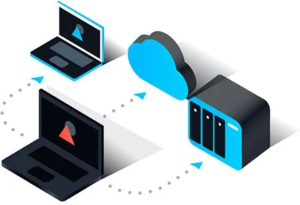
Healthcare providers, for instance, depend on rapid access to electronic health records. By employing hybrid backups, cloud replication, and managed IT services, hospitals in Milwaukee and beyond can ensure that patient data is available even during major outages. Similarly, retail organizations benefit from real-time inventory backups integrated with cloud POS systems, ensuring seamless operations across multiple locations. See real-world examples in Rhumbu LLC’s case studies.
Implementing a Comprehensive Data Backup Strategy
Developing a robust backup system requires careful planning and execution. Businesses should begin by evaluating data criticality, volume, and recovery requirements. Cloud platforms, local servers, and hybrid solutions should be selected to match organizational needs, balancing cost, accessibility, and redundancy. Automation and workflow integration ensure that backups are performed consistently without burdening employees. Regular testing and validation confirm that backups are reliable and restorations are successful.
Vendor selection is equally critical. Partnering with experienced managed IT service providers ensures access to expert guidance, 24/7 monitoring, and proactive troubleshooting. A strategic backup plan aligns with IT infrastructure, operational goals, and regulatory requirements, providing long-term resilience and minimizing risk.
Advanced Strategies for Data Backup
Modern businesses also benefit from leveraging advanced technologies within backup strategies. AI-driven predictive analysis can identify potential failures before they occur, automatically adjusting backup schedules or initiating preemptive replication. Integration with SaaS platforms ensures that cloud applications like Office 365, Google Workspace, and Salesforce are backed up in real time, preserving data across both internal and external systems. Hybrid cloud designs provide scalability and redundancy, allowing organizations to expand without compromising protection.

Remote workforces introduce additional challenges, as laptops, mobile devices, and home office systems must be included in backup plans. Automated, cloud-integrated solutions ensure that employees’ devices are continuously synchronized, while endpoint protection software guards against cyber threats. Workflow automation tools streamline this process, maintaining security and operational efficiency.
Measuring ROI and Effectiveness
Businesses often question the return on investment for backup solutions. However, the cost of data loss, downtime, and regulatory fines far outweighs the expense of a comprehensive backup strategy. Metrics such as recovery time, data integrity, compliance adherence, and operational continuity provide measurable indicators of effectiveness. Organizations can compare pre- and post-implementation performance, demonstrating efficiency gains, reduced downtime, and increased resilience.
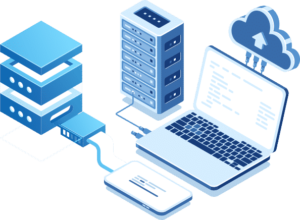
For example, a Manhattan-based financial services firm implemented hybrid cloud backups and managed IT monitoring. Within six months, downtime incidents dropped by 80%, and compliance reporting became fully automated, saving hundreds of hours in manual labor and reducing risk exposure. Small and mid-sized businesses can achieve similar results by adopting cloud-integrated backup solutions alongside managed IT services, as detailed in Rhumbu LLC’s managed IT services offerings.
Data backup is a strategic imperative for every organization. By implementing comprehensive, automated, and secure backup systems, businesses protect critical information, ensure continuity, comply with regulations, and minimize operational risk. The combination of cloud storage, on-premises backups, SD-WAN integration, AI monitoring, and managed IT services provides a resilient framework for modern operations. Partnering with Rhumbu LLC ensures that your backup strategy is tailored, scalable, and fully aligned with your business objectives. Contact us today to secure your data and safeguard your business future.